
Mountain homes take advantage of their natural surroundings with large windows and open layouts. But these same features place more demands on the finishes inside the home, especially in the North Carolina mountains.
Large windows mean sunlight reaches deeper into the living space. Open layouts mean temperatures shift quickly. It’s difficult to see how a home’s interior responds to those changes in a showroom.
Because of VPC Builder’s design–build approach, we have experience with mountain homes and can help you choose finishes that can handle mountain conditions so your home looks as great ten years from now as it does the day it was finished.
Book a Design Studio consultation with VPC Builders today to choose finishes for your High Country property made for mountain living.
How Elevation Puts More Stress on Interior Finishes
Homeowners have to approach finish selection for their mountain homes a little differently than those building at lower levels. North Carolina High Country comes with temperature swings, intense sun exposure, and shifting moisture levels that cause indoor materials to expand and contract and surfaces to fade or dry out.
Even inside the home, conditions aren’t static. Wood flooring and cabinetry respond to changes in the humidity, and sunlight through large windows wear out finishes over time. Even seasonal shifts impact how materials age.
Materials need to
- Handle expansion and contraction without warping or cracking.
- Resist moisture in kitchens, baths, and lower levels.
- Hold up to direct sunlight without fading or breaking down.
- Require manageable upkeep, especially for second homes.
VPC Builders emphasizes selecting durable home materials based on how they perform long-term, not just how they look initially. Our approach prioritizes durability and function alongside design choices.
Which Flooring Materials Hold Up Best in Mountain Homes?
Engineered hardwood, natural stone (slate and travertine), and polished concrete hold up best in mountain homes. These materials resist humidity and temperature fluctuations while handling high traffic from outdoor gear and seasonal weather conditions.
We recommend these because
- Engineered hardwood is often a better fit than solid wood flooring because of how it’s constructed. The layered design helps reduce movement caused by humidity and temperature shifts.
- Natural stone materials like slate or travertine handle wear well and bring a grounded feel that naturally fits mountain architecture.
- Polished concrete with an ultra-durable finish that can mimic the look of natural stone and holds up beautifully in high-traffic areas. Also great for surfaces like kitchen islands.
How Should Cabinetry and Millwork Be Built for Mountain Conditions?
Cabinetry has a big impact on the final look of a home. It’s also one of the elements most affected by the environmental changes in the North Carolina mountains.
Local hardwoods are commonly used in mountain homes for both their appearance and their connection to the region. Locally sourced wood, when properly sourced and finished, can perform very well over time.
The finish matters as much as the material. Painted cabinetry offers a clean look but might show wear more than stained finishes. Stained woods are better at masking minor dings and age, especially in spaces with more exposure to sunlight and temperature changes.
We work with custom cabinetry fabricators to tightly control how the cabinetry is built and installed, protecting against environmental factors while creating a stunning finished product.
What Countertop Materials Balance Durability and Design?
Because kitchen and bathroom countertops in kitchens and bathrooms are some of the most-used surfaces, quartz, granite, and concrete offer the best balance of durability and design. These materials resist heat, staining, and daily wear while maintaining their appearance over time.
Our recommendation for most homes is quartz. It’s low-maintenance, resistant to staining or scratching, and gorgeous. We’ve used Cambria quartz countertops on previous custom home builds with beautiful results.
Any natural stone, like granite or quartz, will perform well in mountain home kitchens where heat is a constant factor. For statement pieces like islands, concrete creates visual impact and can be combined with natural stone for more visual impact.
Which Wall Finishes Add Texture Without Sacrificing Performance?
Wall finishes in mountain homes add color, texture, and depth to the space.
To accomplish this, we use
- Venetian-style plaster: These surfaces hold up well over time while also adding subtle variation to an otherwise flat plane.
- Wood paneling: Used selectively, it can bring a lot of warmth to a space.
- Stone or tile accent walls: These are especially nice around fireplaces. The materials handle heat well and create natural focal points that tie into the natural surroundings.
Why Does Finish Selection Happen in the Design Studio?
Rule number one in material selection: choose nothing in isolation.
Flooring, cabinetry, countertops, and wall finishes interact with each other in your home. Choosing high-altitude building materials one at a time can lead to mismatches in performance or appearance. A flooring material might respond differently to humidity than the cabinetry next to it. How a countertop reflects light might change the way a wall finish looks throughout the day.
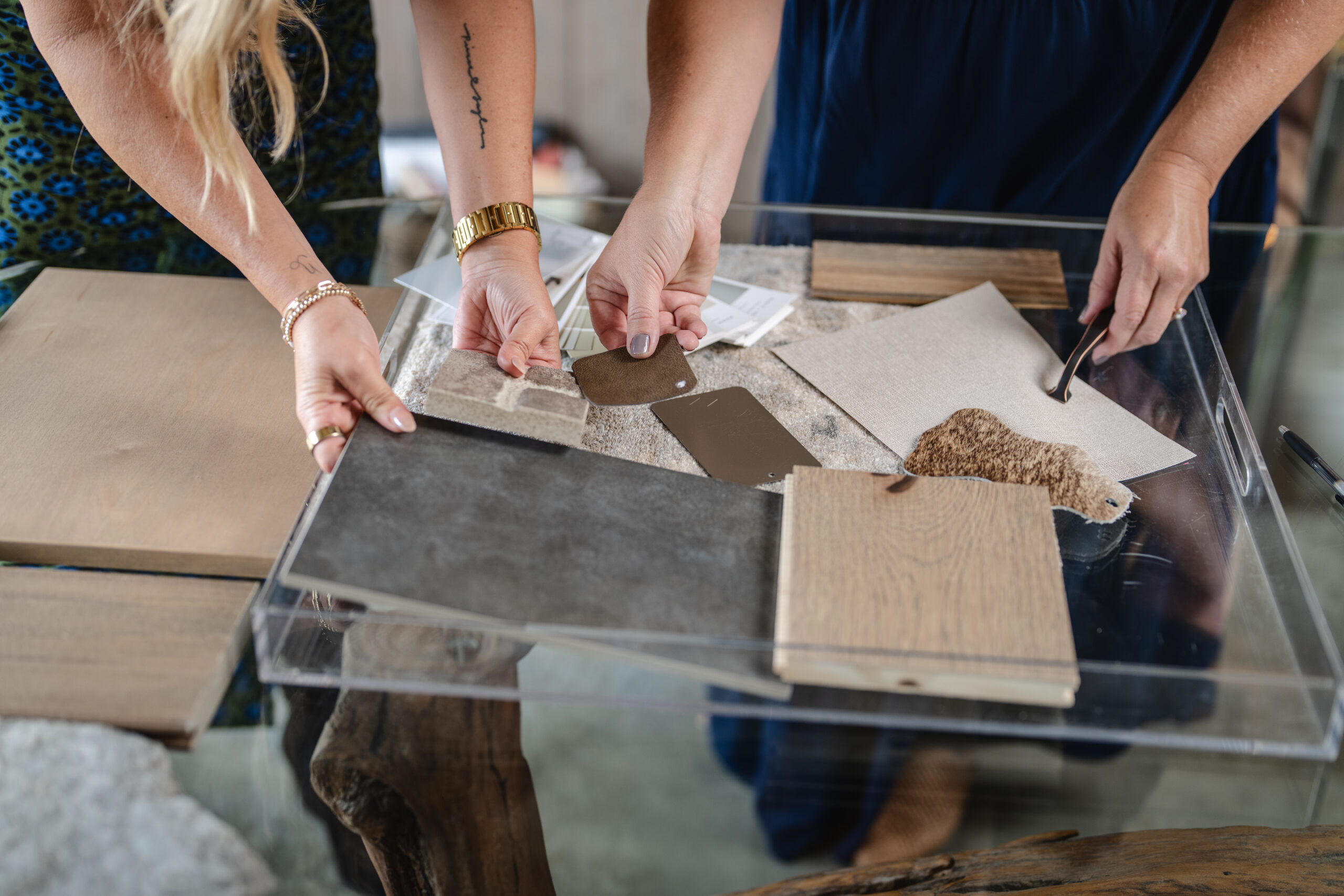
At VPC Builders, we coordinate finish selection as a part of our process. Our Design Studio allows homeowners to evaluate materials together, considering how each choice fits into their future environment and how it will perform over time. We help you consider the bigger picture and create a portfolio of materials that look beautiful together and are designed to last in high elevations.
Pulling Finishes Into a Cohesive Plan for Your Mountain Home
Every finish contributes to how a home functions long after construction is complete. In high-altitude settings like the North Carolina mountains, that performance becomes more noticeable as materials respond to changing conditions throughout the year.
Choosing finishes with those factors in mind helps create a home that remains beautiful long after move-in day. Seeing materials side by side and evaluating them as a complete system creates a much more cohesive environment than choosing each element on its own.
A Design Studio consultation allows you to explore combinations and make an informed decision that aligns with your aesthetic goals. Schedule a Design Studio consultation with VPC’s interior design team today to start exploring the possibilities for your custom mountain home.