
Green Building
RESIDENTIAL
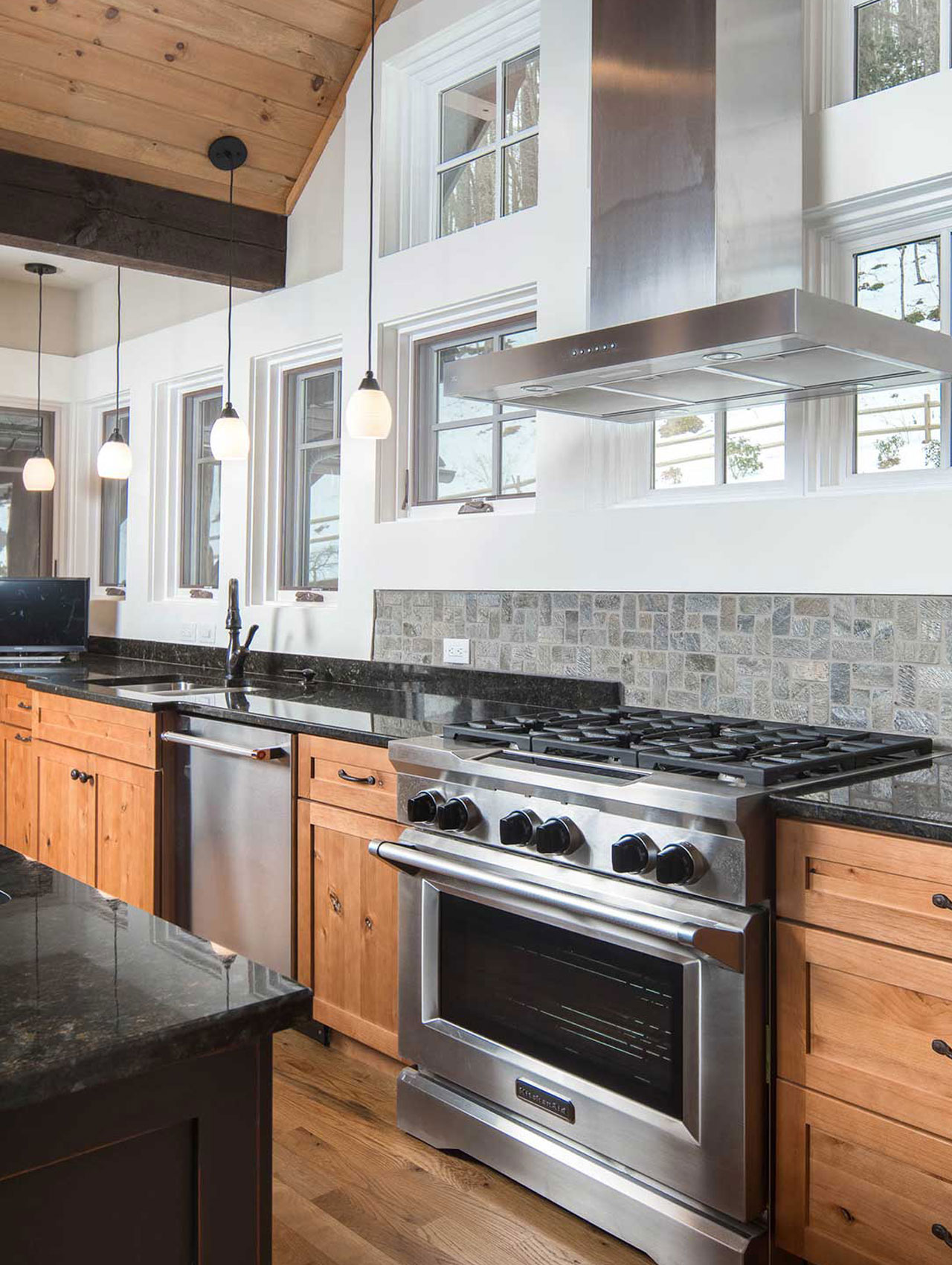
NC High Country’s Green Home Builder
VPC builds energy-efficient, high-performance green homes across the NC High Country. We hold professional green building credentials most other builders in the region don’t carry, backed by years of experience designing homes that work with mountain elevation, climate, and terrain.
Green building, also called energy-efficient or high-performance building, is construction that uses energy, water, and materials in ways that reduce environmental impact and improve long-term performance.
Why Build Green in the NC Mountains
Green-built homes in the mountains cost less to operate and handle elevation better.
A well-insulated mountain home runs roughly $1,500 to $2,000/year in heating and cooling vs. $2,500–$4,000 for standard construction or roughly $20,000 to $40,000 in operating savings over 20 years.
The High Country’s long winters and big temperature swings, along with topographical nuances all create challenges a green-built home is designed for.
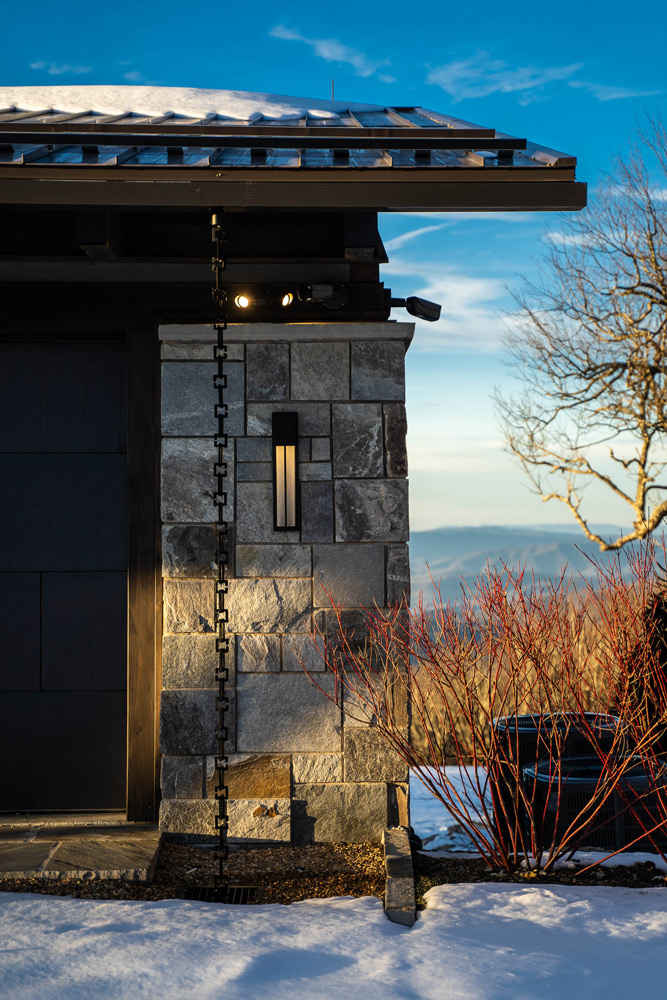
Which Green Certification is Right for Your Home?
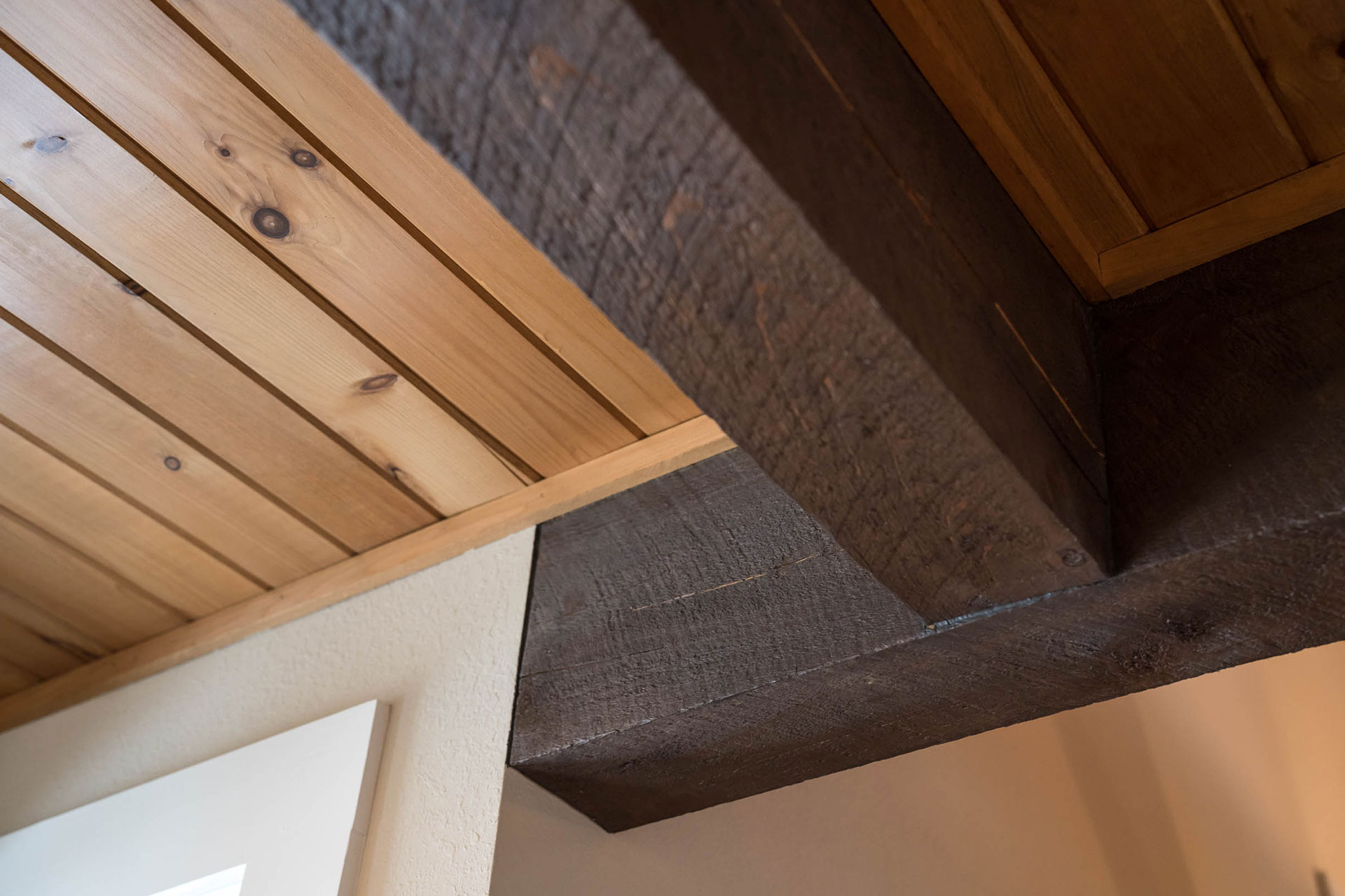
LEED Home Builder Standards
for Western NC
LEED (Leadership in Energy and Environmental Design) is the global standard for sustainable construction. Homes earn certification based on a points system — the more points your home earns across LEED’s evaluation categories, the higher the certification tier (Certified, Silver, Gold, or Platinum). Every level requires third-party inspector verification.
Points are earned across five categories:
- Energy efficiency (insulation, windows, HVAC, energy modeling)
- Water conservation (fixtures and landscaping)
- Material sourcing (recycled content, local materials)
- Indoor air quality (ventilation, daylighting, non-toxic finishes)
- Site management (erosion control, stormwater)
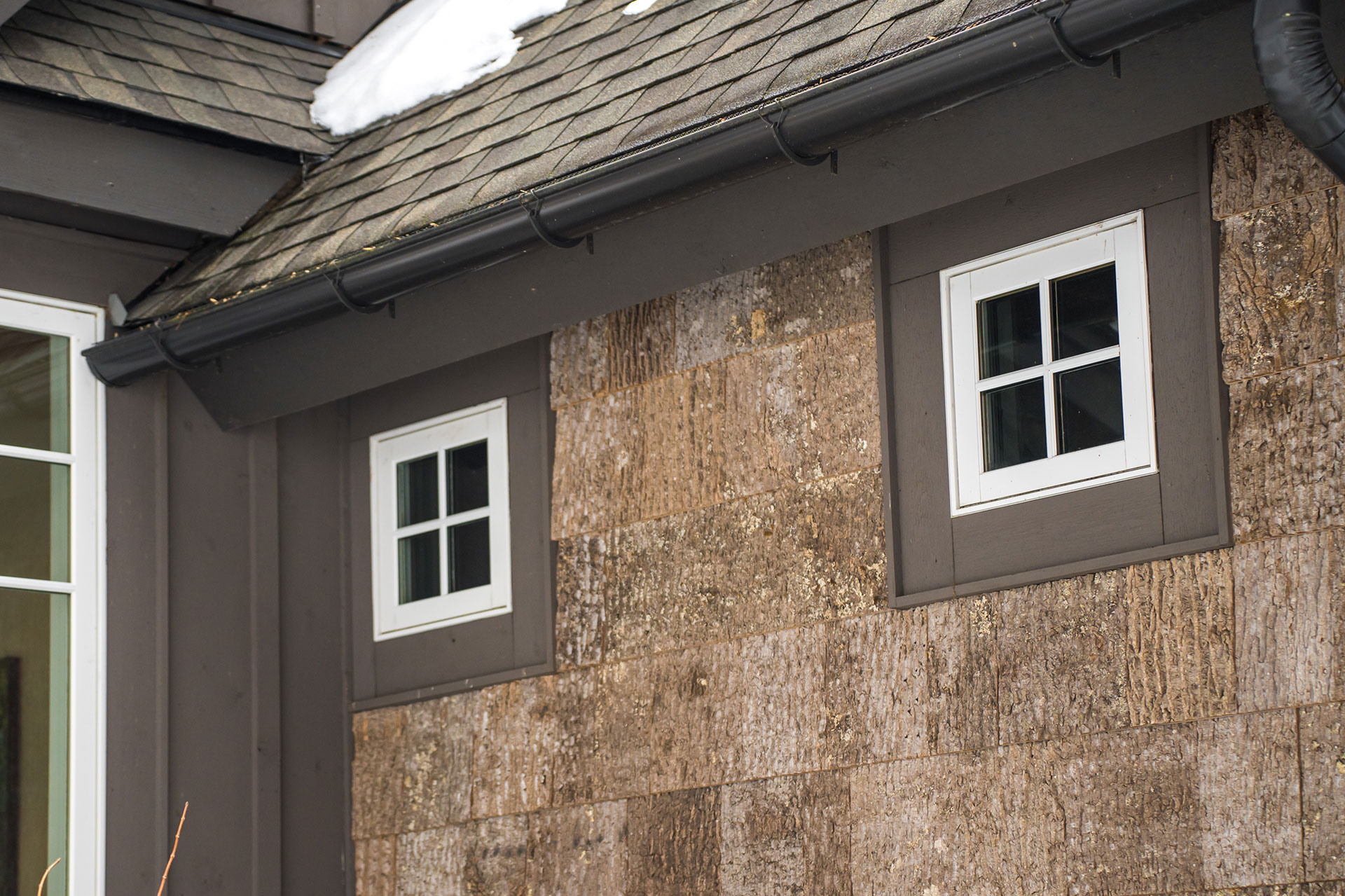
Sustainable Construction for the NC Mountains
VPC participates in the NC Healthy Built Homes program and has completed Green Built Homes projects across the NC High Country.
NC Healthy Built Homes (now branded Green Built Homes) is North Carolina’s own green building program, designed by NC builders for NC builders. It’s more practical for mountain climates than national standards.
Third-party inspectors verify homes across six categories:
- Energy efficiency (15%+ better than code minimum)
- HVAC design sized for mountain climates
- Whole-house fresh air ventilation
- Radon-resistant construction
- Water efficiency
- Erosion and site management
NAHB Certified Green Builder
What the Credential Means for Your Home
A standard builder might recommend a 10kW solar system because that’s what’s typical. A CGP-certified builder models your specific south-facing roof exposure and recommends 4kW, cutting cost by 60% while still meeting your energy needs. Right-sizing instead of upselling.
Working with a Credentialed Green Builder
The right green building approach depends on your home, your site, and your budget. A builder with the right credentials helps you make those decisions correctly the first time—sizing systems to your actual energy loads, choosing certifications that match your goals, and managing inspections and verifications start to finish.
The right green building approach depends on your home, your site, and your budget. A builder with the right credentials helps you make those decisions correctly the first time—sizing systems to your actual energy loads, choosing certifications that match your goals, and managing inspections and verifications start to finish.
That’s what VPC brings to a green building project. Our team holds NAHB Certified Green Professional designation, LEED AP credentials, and participates in the NC Healthy Built Homes program. That combination is rare for builders in NC High Country, and it means we can guide you through any certification path while building to the realities of mountain elevation, climate, and terrain.
You get a builder who can tell you which green features actually matter for your project—not just a builder who’s heard of green building.
Wondering whether green building makes sense for your project? We can help.
That’s what VPC brings to a green building project. Our team holds NAHB Certified Green Professional designation, LEED AP credentials, and participates in the NC Healthy Built Homes program. That combination is rare for builders in NC High Country, and it means we can guide you through any certification path while building to the realities of mountain elevation, climate, and terrain.
You get a builder who can tell you which green features actually matter for your project—not just a builder who’s heard of green building.