
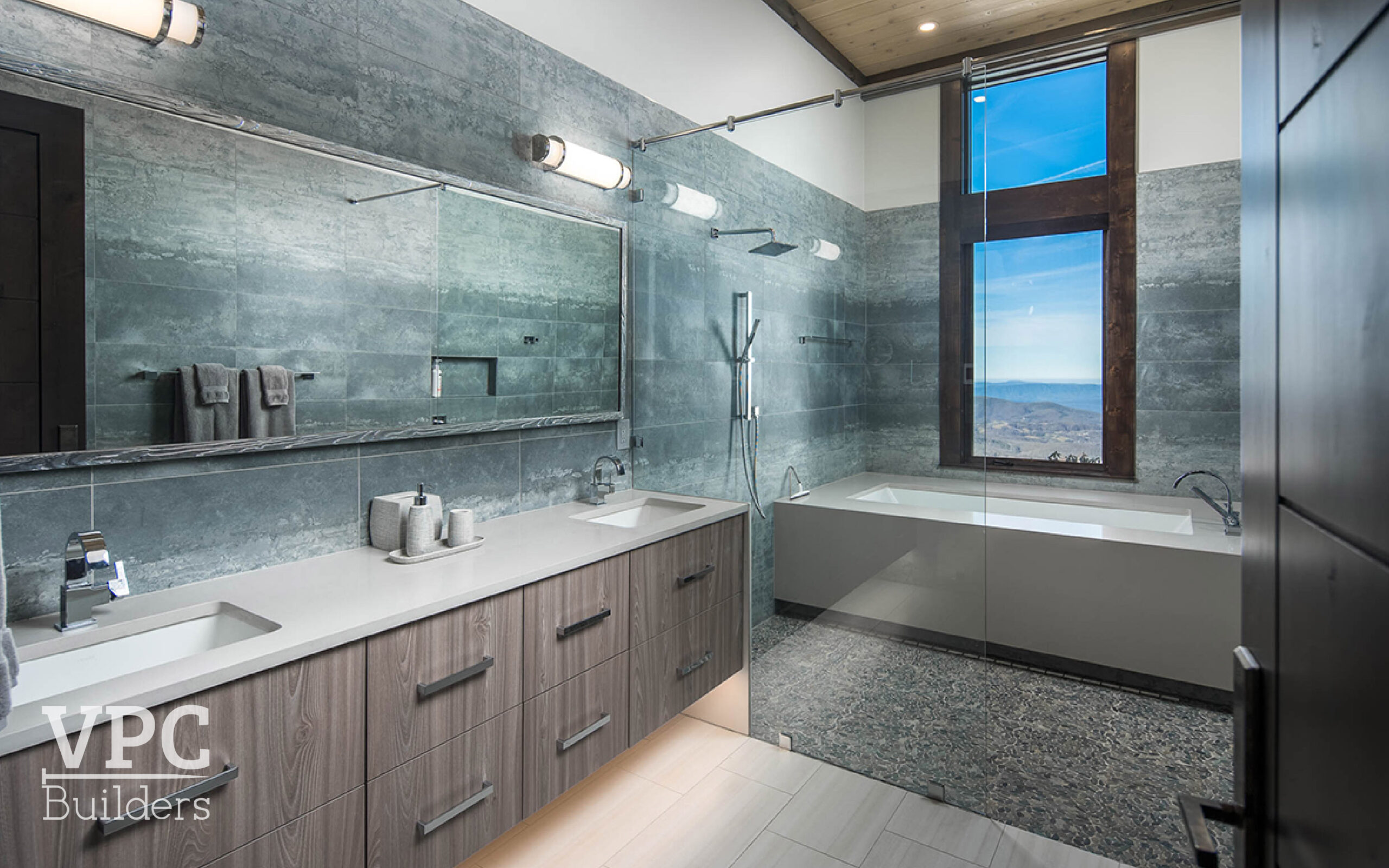
What is aging-in-place home design? Aging-in-place home design creates a home that is safe and functional now while preparing for the way life might look in the decades ahead. It builds long-term comfort and accessibility into a custom home from day one, without making it feel clinical. In the NC High Country, working with an NAHB Certified Aging-in-Place Specialist means these features get planned early, when they are easiest to include. A few things it involves:
- Main-level living, curbless showers, and zero-step entries built in from the start.
- Subtle, luxury-forward features that look like great design, not medical afterthoughts.
- Keep reading for the full list of features and why a certified builder matters.
A forever home should look beautiful and feel personal. It should be comfortable for the way you live now while also preparing for the way life might look like in the decades ahead. The goal of aging-in-place home design is to create a home that supports your long-term comfort and safety without making it feel clinical.
VPC Builders brings a long-term perspective to the custom home building process as an NAHB Certified Aging-in-Place Specialist. We know how to build homes that support your needs for many years to come, and that planning now for aging-in-place can help protect your investment over time.
Planning a forever home in Boone, Blowing Rock, Banner Elk, or the surrounding High Country? Schedule a High Country Home Planning Call with VPC Builders.
What Is Aging-In-Place Home Design?
Aging-in-place home design is designing or remodeling a home so it is safe and functional as you get older. It is not only about preparing for major mobility changes, but also about making smart choices now so the home can continue to support you through different seasons of life.
In a custom home, these features can be built into the design from day one. This makes it easier to create aging-in-place features that are more subtle, so they don’t look like clinical afterthoughts. When planned well, aging-in-place features can look like a natural part of a beautiful home.
What Features Does Aging-in-Place Home Design Include?
There are many ways to make a home more senior-friendly. The right features will depend on who lives there and the property itself. For example, some families want a fully future-ready main level, while others are happy to make design choices that offer flexibility to make changes later on.
Common aging-in-place features include:
- Main level primary suite
- Zero-step entries
- Wider doorways and hallways
- Curbless showers
- Lever-style door handles
- Layered lighting and task lighting
- Slip-resistant flooring
- Accessible storage
- Lower-maintenance materials
When it comes to choosing features, you don’t have to check every possible box. Instead, you can choose the features that will most benefit the way you live now and what you are likely to need in the future. An experienced builder can help you consider your options and choose the ones best suited for your space and lifestyle.
What Are the Most Important Aging-in-Place Features to Include in a Custom Home?
Every custom home is different, but there are some features that deserve more attention now because they are harder to change later on.
Main-level living is often a top priority. When the primary bedroom suite, kitchen, laundry, and main gathering areas are on one level, it’s easier to live in the home when stairs become inconvenient. You can still add extra bedrooms and bathrooms to upper or lower floors, but the essential spaces should be easy to reach.
Bathroom design is another major priority as these are some of the riskiest spaces for seniors living on their own. Tight clearances and slippery surfaces can put residents at risk of a fall. Curbless showers with built-in seating and walls ready for grab bars can make the space safer without taking away from luxury design.
Transitional spaces also deserve careful consideration. These are areas like the path from the driveway to the garage or into the home. Low thresholds and smart lighting can make entry easier even with limited mobility. Adding coverage over exterior doors can keep the elements at bay, which can be a big benefit in a mountain setting.
Where you prioritize depends on how you want to live in the space. A good rule of thumb is to start with the spaces that impact your daily routines the most.
Do I Need a Specially Certified Builder for Aging-in-Place Construction?
Aging-in-place construction doesn’t legally require a specially certified builder. You can ask any builder to install grab bars or widen doorways. However, working with a builder who really understands aging-in-place principles can make a big difference in what the final results look like.
Builders trained in aging-in-place design can help homeowners think through details like lighting, storage, and how to account for future adaptability. They can also connect your aging-in-place needs to real-life use. Their experience can inform the design, so you end up with a home that is comfortable to live in as you get older but doesn’t look like it was built for an aging population.
What Is an NAHB Certified Aging-in-Place Specialist?
The National Association of Home Builders offers a designation called Certified Aging-in-Place Specialist (CAPS). This certification is available to builders who have completed training in home design, remodeling, and building strategies to support people who want to remain in their homes as they get older.
For homeowners, working with a CAPS builder can make planning conversations more productive. Instead of waiting for a need to arise, the builder can help you think about your long-term goal and make thoughtful recommendations while it’s still easy to make changes.
VPC Builders is a certified NAHB Aging-in-Place Specialist. We can help homeowners create a forever home that’s comfortable, efficient, and ready to support their future.
Can Aging-in-Place Homes Still Look and Feel Like Luxury Custom Homes?
Absolutely. Aging-in-place homes can look and feel just like a luxury home. Some aging-in-place features naturally support high-end design. Wider hallways can feel more generous and architectural. A curbless shower can feel more spa-like. The right builder will make sure aging-in-place features don’t compete with luxury design, but are instead naturally incorporated into it.
Aging-in-place features are closely connected to universal design, which is a design method that focuses on making spaces easier and more comfortable for more people. So not only could the home work better for the seniors living there, but it could work better for adult children, visiting grandchildren, and future buyers.
Build a Home That Evolves With Your Needs
Aging in place home design isn’t about giving up luxury materials or personal style. It’s about building a home that you can live in comfortably and confidently for decades to come.
Create a home that welcomes family and supports your independence. VPC Builders offers custom home craftsmanship and experience building in the NC High Country, along with NAHB Certified Aging-in-Place Specialist expertise. We can help you design and build a home with the future in mind.
Let’s start planning your forever home in the NC High Country. Schedule a High Country home planning call with VPC Builders today.