
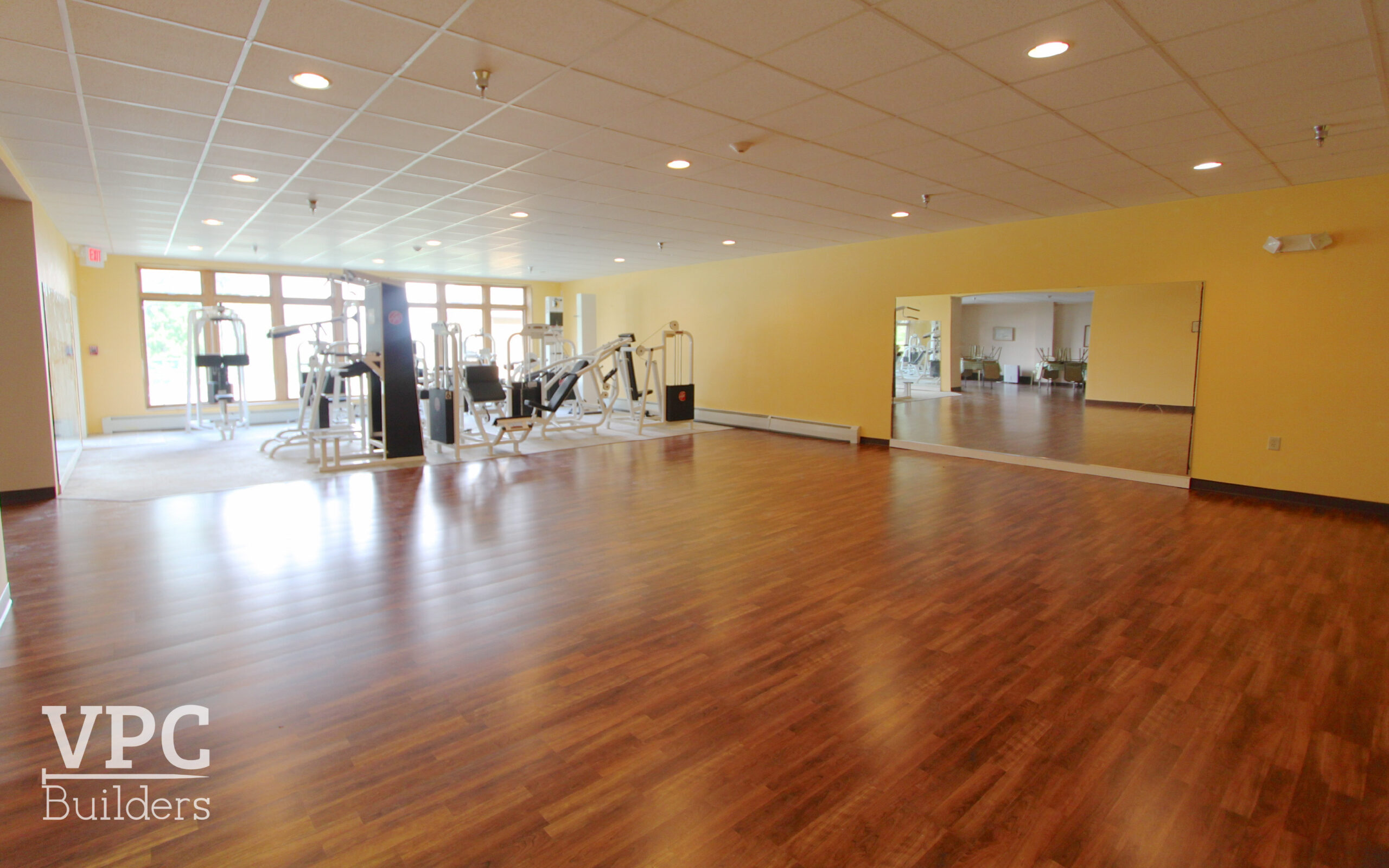
You’ve found the right building, but you know it will need work before it’s move-in ready for your business.
But how much is that going to cost?
Commercial renovation costs can quickly inflate if you don’t start with a well-informed number. The cost of a commercial renovation includes more than you might initially expect, and you’ll need to account for things like aging infrastructure and seasonal conditions.
The more you know upfront, the more accurate your budget estimate will be going into the renovation project.
Need to renovate a commercial building in the North Carolina High Country? Contact VPC Builders to schedule a Commercial Project Consultation to start discussing your renovation budget.
How Much Does a Commercial Renovation Cost for a Small Business in North Carolina?
The scope of a commercial renovation project can range from a few cosmetic upgrades to a complete change of use. Commercial remodeling costs generally fall into three levels:
- Minor: A limited refresh that includes paint, flooring, lighting, and minor repairs.
- Moderate: Could involve new walls, layout changes, and targeted system updates.
- Major: Includes structural work, system replacement, accessibility improvements, or new occupancy overhauls.
As the scope of a fit out expands, so does the number of trades involved, the amount of engineering required, and the likelihood of needing to update internal systems. Two commercial spaces of the same size can have very different renovation costs depending on
- Their age
- Condition
- Intended use
- How much work is needed behind the walls
Defining the scope early in the process is the best way to build a realistic budget.
What Is Typically Included in a Commercial Renovation Budget in the NC High Country?
A detailed estimate from a commercial general contractor should account for all the work required to complete your renovation. Exactly what that includes will depend on the scope of the remodeling work, but common categories include
- Architectural, design and engineering services.
- Demolition, disposal and site preparation.
- Framing, doors, ceilings, flooring and finishes.
- Electrical, plumbing and mechanical work.
- Fire alarms, sprinklers and life-safety systems.
- Accessibility and code-compliance improvements.
- Permits, reviews and inspections.
- Contractor supervision and project management.
- Signage, technology, furnishings and equipment.
- Temporary relocation or phased operating costs.
- An owner-held construction contingency.
Your builder can help you estimate a lot of these costs.
What Factors Have the Biggest Effect on Commercial Remodeling Costs?
The most expensive issues aren’t always visible during an initial walkthrough of the property. An older building, common in many commercial areas of the High Country, may have outdated electrical service, deteriorating plumbing infrastructure, or insufficient HVAC capacity. A change of use could trigger additional costs by way of new occupancy or fire-protection requirements.
Some of the most common factors we see increase commercial remodeling costs include:
- Scope of work: Structural changes, layout reconfiguration and system replacements increase complexity and cost compared to cosmetic updates.
- Code and compliance requirements: Accessibility upgrades, fire protection systems and occupancy changes can add significant expense.
- Specialized equipment and finishes: Restaurants, medical spaces and hospitality projects often require higher-end materials and more complex installations.
- Operational constraints: Staying open during construction may require phased work, temporary barriers and additional safety measures.
- Site and regional challenges: In the Western NC mountains, delivery access, limited staging space, winter weather and subcontractor availability can all affect pricing and scheduling.
Early site investigations and inspections can help you plan. Getting an experienced commercial builder involved early can also give you more insight into what to expect with renovation costs.
How Do NC Business Owners Plan for Unexpected Costs During a Commercial Renovation?
Unexpected costs should be expected. They are a normal part of commercial renovation because so much of a building’s condition is hidden until demolition begins. Even with careful planning, issues can surface once work is underway.
You can reduce the likelihood and severity of unexpected costs by understanding the condition of the property as thoroughly as possible before work begins. This might include assessing visual building systems and reviewing any available documentation on previous construction work done on site.
Clear decision-making can also help control costs. Knowing what’s essential versus what’s optional can help you prioritize your budget and spend where it matters most. Make sure your builder has a defined process for handling changes so any new costs are evaluated, priced, and approved in a controlled way rather than forcing you to react under pressure.
Your own financial preparation can reduce unexpected costs, too. Having a good contingency fund in place can help you manage unexpected costs without derailing progress.
What Contingency Percentage Should a Business Budget for a Commercial Renovation in NC?
The rule of thumb for contingency funds is 10% of the overall cost of the renovation. The U.S. General Services Administration uses the rule of 10% for renovations and 7% for new construction contingency funds. The fund is meant to cover unforeseen conditions, not new features added after plans are finalized.
You might want to put more into your contingency fund if
- The building is older or in especially poor condition.
- There is limited access for inspections.
- You anticipate major structural work.
How Long Does a Typical Commercial Renovation Take for a Small Business in Western NC?
There is no easy answer because every commercial renovation project is different. The schedule for a commercial renovation includes:
- Existing condition reviews
- Budgeting
- Design
- Plan Review
- Permitting
- Procurement
- Construction
- Inspections
- Final approvals
The timeline for each stage will be different for every project. A general contractor will also need to account for mountain weather, delivery conditions, and subcontractor availability.
That doesn’t mean you can’t set a target date, though. Your builder can help you determine a window for the move-in day, and give you a more accurate estimate the closer the renovation gets to final approvals.
Avoiding Budget Surprises in High Country Renovations
Early collaboration between the business owner, design, and contractor can help you compare options and direct your money toward the improvements that matter most.
If you are ready to renovate, we can help you evaluate existing properties and plan around the realities of construction in the NC High Country. Schedule a Commercial Project Consultation to start building a budget around your business goals.