
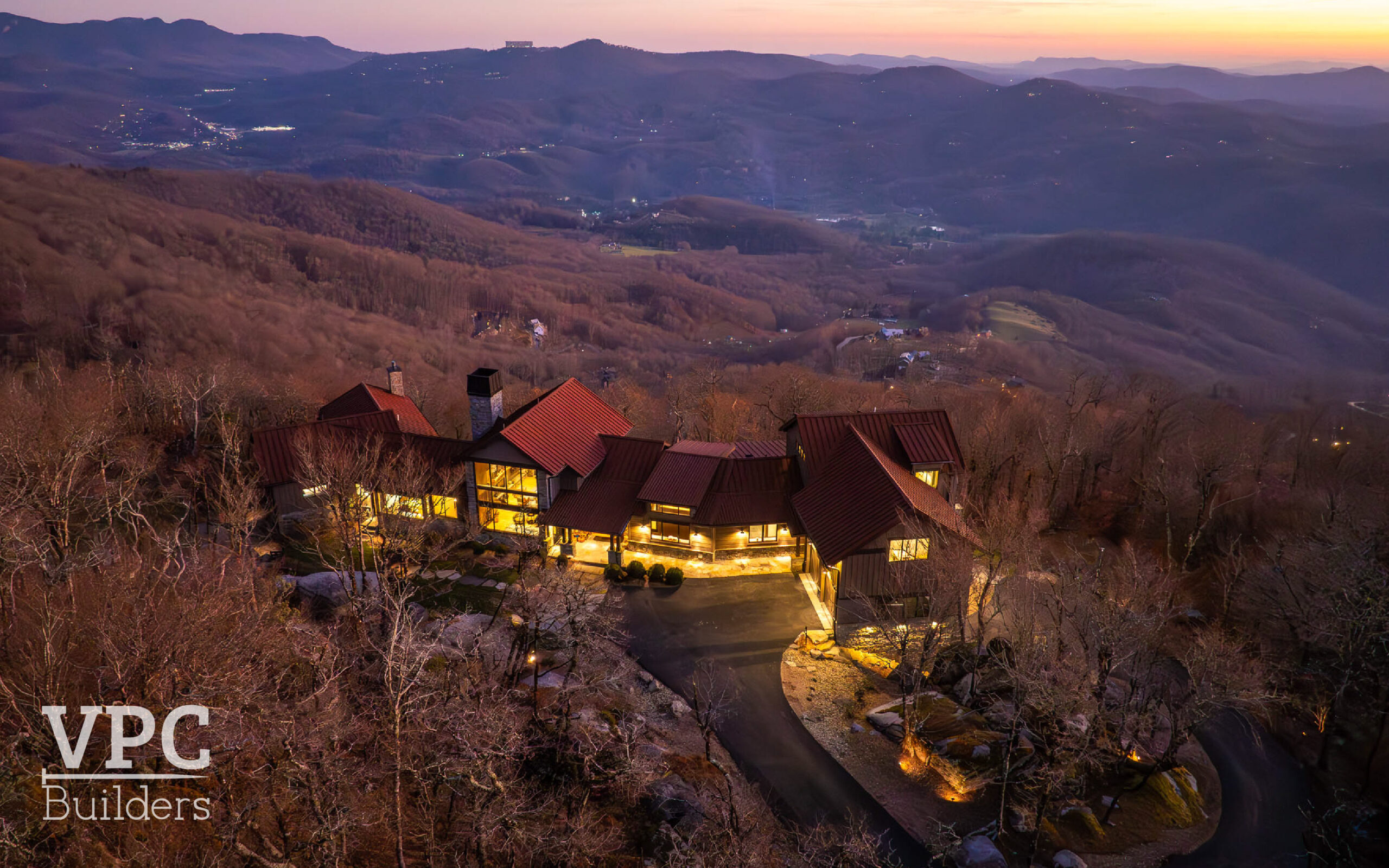
What should I look for when buying land to build a custom home in the NC High Country? Buying land for a custom home in the NC High Country means looking past the view to whether the lot can actually support the home you want. Slope, access, utilities, and septic suitability shape what is buildable long before design begins. Getting a builder’s perspective early helps you match the land to your goals and avoid costly surprises. A few things to weigh:
- Whether there is enough usable, level area for the house, driveway, and outdoor living space.
- Whether trucks and heavy equipment can safely reach the site, and how far utilities must run.
- Keep reading for the full checklist and the due diligence to complete before you buy.
The dream of building a custom home in the NC High Country starts with finding the right piece of land. But the “right” piece of land for a custom home means more than something in your desired area within your budget. That piece of land must also be suitable for the kind of property you want to build. Slope, access, utilities, and more will shape what you can build there and the kinds of decisions you’ll need to make along the way.
VPC Builders isn’t a real estate agency, nor do we assist with buying and selling property. What we can offer, though, is a builder’s perspective. As experienced builders in the NC High Country, we know how much the land you choose influences the kind of home you can build. We want to share that knowledge so you can make the best choices possible for your future forever home.
Here’s what we want you to know when buying land to build a custom home in NC.
Already have the lot of your dreams? Let’s talk about the next steps. Schedule a consultation with our custom home team to get started.
What Should I Look for When Buying Land to Build a Custom Home in the NC High Country?
The view might be what sells you on a piece of land, but there are practical considerations that determine if the land will actually work for the type of home you want to build.
Before you buy, you’ll want to look at
- Slope and usable area: Is there enough practical space for the house, driveway, garage, and outdoor living areas?
- Access: Can concrete trucks, delivery vehicles, and heavy equipment safely reach the site?
- Utilities: Where are electric, water, internet, and other services, and how far must they run?
- Septic suitability: Has the land been evaluated, and is there room for the system and required repair area?
- Drainage: Where does water move during heavy rain, and are there signs of erosion?
- Restrictions: What do setbacks, deed restrictions, and architectural guidelines allow?
Depending on the answers, you may need to bring in experts to examine the property more closely before you commit to it.
What Are the Most Common Issues With Mountain Lots in the NC High Country That Affect Construction?
Mountain homes are shaped by their surrounding terrain in a way homes in lower elevations are not. Some of the most common issues we encounter when building and designing homes in the High Country are slope, access, and soil conditions.
Slope
Steep lots might need more excavation to create a flat pad suitable for the home’s footprint and foundation. It may also require retaining walls or other structures to prevent erosion. The design may need to step with the land, giving you more levels than expected.
Access
A narrow private road or sharp driveway turn may work for everyday vehicles but create problems for larger trucks during construction. Access improvements sometimes become part of the site work.
Soil Conditions
If the land has significant bedrock, excavation can take longer than expected. Some areas might require more engineering before laying the foundation. Drainage will also require close attention, because water moves quickly on sloped ground.
How Does Lot Selection Affect the Design and Layout of a Custom Mountain Home?
Land influences the design of a mountain home from the very start. Design around the landscape will result in a more beautiful, cohesive home that fits naturally into its surroundings. Trying to force a favorite floor plan onto an unsuitable mountain lot will leave you frustrated, both with the building process and the final result.
A good designer and architect will start with your vision and help you refine it around the property. For example, a sloped property might be well suited for a guest suite on a walkout lower level. Or changing the orientation of the main living space could help you capture the best views. The grade will change how your porches and patios connect with the indoors.
Custom design allows the house to fit the property, so everything works together instead of competing for space.
Should I Hire a Builder Before or After Buying Land for a Custom Home in NC?
It can be very helpful to speak with a builder before you close on a lot. A builder doesn’t replace your real estate agent, attorney, or surveyor. But a builder can help connect what you know about the land to the realities of building a dream home there.
A builder’s perspective can be especially helpful if you already know what you want to build. If you know you want a single-story home with a large garage and generous outdoor living space, for example, a builder can let you know if you have enough usable building area to support that design.
A builder can also look at placement issues and help you avoid potential challenges, raising questions before design begins so you get a lot that can support your house goals.
What Due Diligence Should Be Completed Before You Finalize a Mountain Lot Purchase?
What due diligence you need to do will depend on the property itself, which county you are building in, and what you are building. But, in general, there are several things you’ll want to do before you buy, including
- A current boundary and topographic survey
- Verifying legal and physical access
- Septic evaluation, soil testing, or permit status
- Well feasibility or community water availability
- Zoning rules, setbacks, and minimum home-size requirements
- Deed restrictions and architectural review standards
- Utility availability and connection distances
- Drainage, soil, or engineering concerns
- Limits on grading, tree removal, or driveway placement.
It can feel like a long list, but your attorney, real estate agent, and surveyor will help check these and other items off the list. Every step is worth doing, because each one brings you closer to the reality of living in your dream mountain home and reduces your risk when choosing a piece of land.
Build With a Better Understanding of Your Land
Buying land to build a home in the NC High Country is the first step in making your dream home a reality, and the property you choose will influence every stage of the process.
If you have questions about how a specific plot of land could affect your home’s design, we can give you a builder’s perspective. If you already own land and are ready to build, schedule a High Country Home Planning Call with VPC Builders to discuss the next steps in building your custom home.