
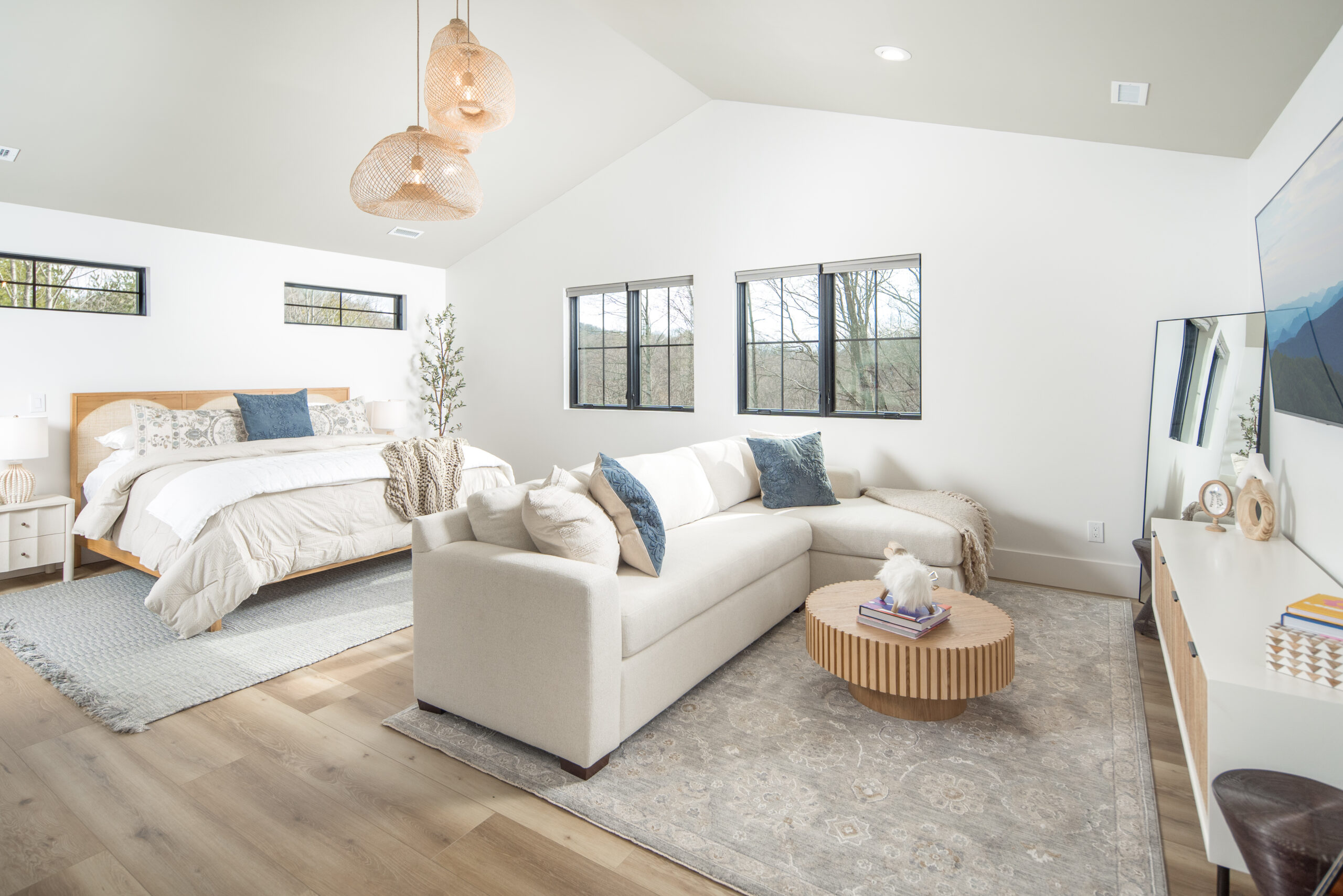
Around 60 million Americans live in multigenerational households, including many right here in the High Country. Bringing multiple generations under one roof is often a deliberate choice, not just a necessity, whether it’s aging parents who want to stay close, an adult child navigating a tough housing market, or grandparents who want to be a part of their grandchildren’s daily lives.
But building a home that works for two or three generations takes careful planning. The stakes are higher: there are more people to please, and the decisions you make in the design process will affect your family for years.
Interested in creating a multigenerational home for your family? Contact the VPC Builders team to start a custom home consultation.
Start With the People, Not the Floor Plan
Sit down with your family and have an honest conversation about what each person actually needs. Both now and in the next five or ten years.
A retired parent with mobility concerns has very different needs than a young person who wants independence (and a separate entrance). A couple hoping to age-in-place will need to think about how they’ll use the home when stairs become a challenge or a walker needs to fit through a doorway.
The sooner these conversations happen, the better your builder can use them to create a design that will serve the family for decades and maximize the investment you make in a property.
Finding the Balance of Shared vs. Separate Spaces
One of the biggest decisions you’ll make in multigenerational home design is how connected or separate the different living spaces will be. There is no right answer here, just what works best for your family.
The most common approaches include
- Attached secondary suites: These are a good fit for families who want to stay close but value their own spaces, such as a private bedroom, bathroom, and often a small living space connected to the main home. They might even have their own entrances.
- Detached Accessory Dwelling Unit (ADU): This might be a fully separate cottage or guest house on the property, and it offers the most independent multigenerational living arrangement. An ADU can work really well on larger mountain lots, where the terrain creates a natural separation. [Keep in mind that ADUs come with their own permitting requirements and may not be allowed in all areas.]
- Unified floor plan with dual primary suites: Some families prefer a more integrated layout with a primary suite for each generation and shared living spaces. This works well on smaller lots or if single-story living is the goal.
Make sure you give as much attention to the shared spaces as you do to the separated ones. Shared spaces like great rooms or even outdoor living areas can become the heart of a multigenerational home. You want these areas to be places where families naturally gather without feeling like you’re all in each other’s space.
Other Design Features to Consider
The families who enjoy their multigenerational homes most usually planned for accessibility and privacy early, before the first wall went up. Here are a few design features to consider.
- Separate entrances: Even if the living spaces are connected, having a dedicated entrance for each unit can make the space feel more independent and private.
- Accessible design: Zero-step entries, wider doorways, and walk-in showers are all features that cost relatively little to include in the construction process but are more expensive to retrofit. If aging in place is part of the plan, prioritize accessible design from the start.
- Soundproofing between living areas: Don’t overlook this one! Upgraded insulation and solid-core doors can make a huge difference in everyone’s comfort and privacy.
Budget Honestly
Multigenerational homes typically cost more than a single-family home of comparable square footage. Dual kitchens, separate HVAC systems, additional bathrooms, and accessibility features can add to the budget, and everyone needs to go into the project with a clear picture of the costs.
However, the financial benefits of multigenerational living are often better than people realize. Shared mortgages, shared utility bills, and reduced needs for assisted living or senior care services can make a custom multigenerational home a sound long-term investment.
Be transparent with each other (and your builder) about your budget. A good design-build team can help you prioritize the features that matter most and find ways to build for the future without blowing your budget.
Choose a Builder Who’s Done This Before
Multigenerational home design requires understanding how different people with different needs will live together and translating that into a design that works. Not every builder is set up to manage that level of coordination and consideration.
VPC Builders uses a design-build approach, which means your architect and your construction team work together from day one. This integration is especially valuable in a multigenerational home product, where small design decisions can have a big impact on how the finished home works for the family. We know the High Country terrain, we know the local codes, and we know the right questions to ask to help families design a home they’ll love for generations.
Building for Everyone Means Planning For Everyone
When it’s done right, a multigenerational home can be one of the most meaningful investments a family can build together. It’s a place where grandparents can watch grandchildren grow up, where aging parents can stay independent without being isolated, and where family life happens together.
These homes don’t happen by accident. It takes honest conversations and thoughtful design along with a builder who understands what’s at stake.
Let’s build something that works for the whole family. If you’re thinking about building a multigenerational home in Western North Carolina or other areas of the High Country, we’d love to start the conversation. Contact VPC Builders to start a custom home consultation.