
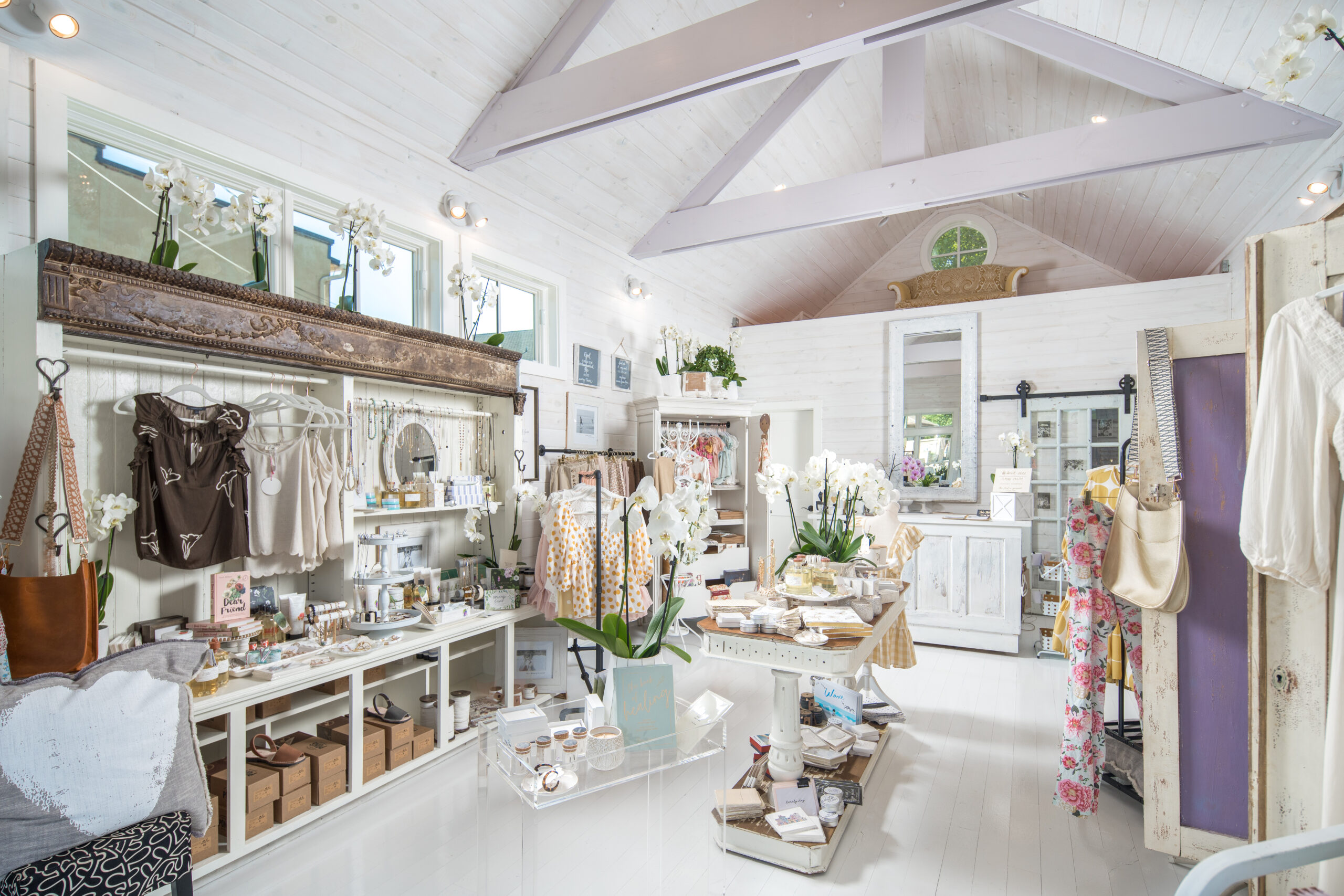
When customers walk into a business, their first impression is formed long before they speak to an employee or see a product. Every material, layout choice, color palette, and detail sends a message — intentionally or not. Thoughtful commercial brand identity design ensures that the space your customers enter immediately communicates who you are, what you value, and how you want them to feel.
If you’re planning a new commercial build or renovation and want a space that speaks clearly and confidently to your audience, VPC Builders can help you create a design that aligns your brand with a meaningful customer experience.
Contact Us
The Psychology Behind Customer Perception
Commercial design goes far beyond aesthetics — it shapes behavior, trust, and emotional response. Customers form impressions in seconds, and those impressions are heavily influenced by visual and spatial cues.
Key psychological elements include:
- Simplicity and clarity: Customers feel more confident in environments that are easy to navigate.
- Material choices: Natural materials can feel warm and inviting, while metal and glass may communicate modern efficiency.
- Lighting: Bright lighting feels energetic and active; warm lighting feels relaxed and comfortable.
- Color temperature and tone: Warm colors evoke comfort; cool colors feel professional and sleek.
For guidance on designing interior environments that shape customer experience, VPC Builders shares insights on creating functional, welcoming commercial spaces.
Material and Finish Choices That Reflect Your Brand
Every surface in a commercial space communicates something — durability, warmth, luxury, sustainability, modernism, tradition. Thoughtful material selection helps reinforce your identity and create consistency across the customer journey.
Choosing Materials That Match Your Values
- Wood and stone: Communicate craftsmanship, comfort, and authenticity.
- Glass and steel: Signal innovation, transparency, and modern design.
- High-performance flooring: Demonstrates a focus on durability and long-term quality.
- Sustainable materials: Reflect environmental responsibility and forward-thinking values.
For business owners considering sustainable alternatives, the U.S. Green Building Council provides a clear overview of eco-conscious options and their long-term benefits.
Finishes That Reinforce Brand Experience
Finishes should align with your brand’s personality:
- Matte finishes for calm, sophisticated brands
- Gloss finishes for energetic, modern environments
- Textured surfaces for warm, tactile appeal
- Subtle metallic accents for luxury or high-end services
Creating contrast between wall finishes, flooring, and millwork helps highlight focal points and guide customers through the space.
Layout and Flow: Designing for Behavior
How a space is organized can either support your business goals or undermine them. A well-planned layout ensures customers move through your space naturally, see key products or services, and feel comfortable and oriented.
Consider:
- Clear entry zones: Establish expectations and set the tone.
- Defined circulation paths: Prevent bottlenecks and confusion.
- Strategic product placement: Highlight what matters most.
- Comfortable waiting areas: Support customer experience in service-oriented businesses.
- Flexible layouts: Allow for future changes or franchise consistency.
To explore how layout impacts long-term functionality, VPC Builders discusses thoughtful design planning in their guide on creating efficient commercial spaces.
Color Palettes That Strengthen Recognition
Color is one of the most powerful tools in brand identity. In physical spaces, it must be used thoughtfully to feel intentional, not overwhelming.
Using Color to Influence Mood
- Warm tones (terracotta, gold, olive): Invite comfort and approachability
- Cool tones (blue, slate, charcoal): Evoke professionalism and calm
- Bright accents (yellow, orange, red): Add energy and guide attention
- Neutrals (beige, gray, taupe): Provide balance and sophistication
The Pantone Color Institute researches color psychology and trends, offering helpful insights for businesses choosing long-term palettes.
Balancing Brand Colors with Timeless Neutrals
While brand colors are important, using them sparingly and strategically — through accent walls, signage, or decor — helps the overall space feel timeless. Permanent architectural features should lean neutral to maintain flexibility as your brand evolves.
Signage and Branding Elements That Communicate Clearly
Signage is often the first brand touchpoint customers notice. Effective signage should be:
- Readable at a distance
- Well-lit
- Weather-resistant (for exterior signs)
- Consistent in typography and color
- Integrated seamlessly into the building’s architecture
Inside, subtle brand elements — etched glass, metal plaques, directional signs — build consistency and improve wayfinding without overwhelming the space.
Build a Space That Speaks Before You Say a Word
A well-designed commercial environment communicates trust, expertise, and personality before any conversation takes place. By aligning materials, layout, color palettes, and signage with who you are, you create a space that strengthens recognition and improves customer experience from the moment they walk through the door.
VPC Builders: Your Partner in Commercial Design and Construction
VPC Builders collaborates with businesses to create thoughtful, brand-aligned commercial spaces throughout the NC High Country and surrounding regions. From office remodels to retail environments and hospitality spaces, our team blends craftsmanship with strategic design to bring your brand identity to life. Whether you’re opening a new location or revitalizing an existing one, we deliver spaces that look beautiful, function efficiently, and support long-term growth.