
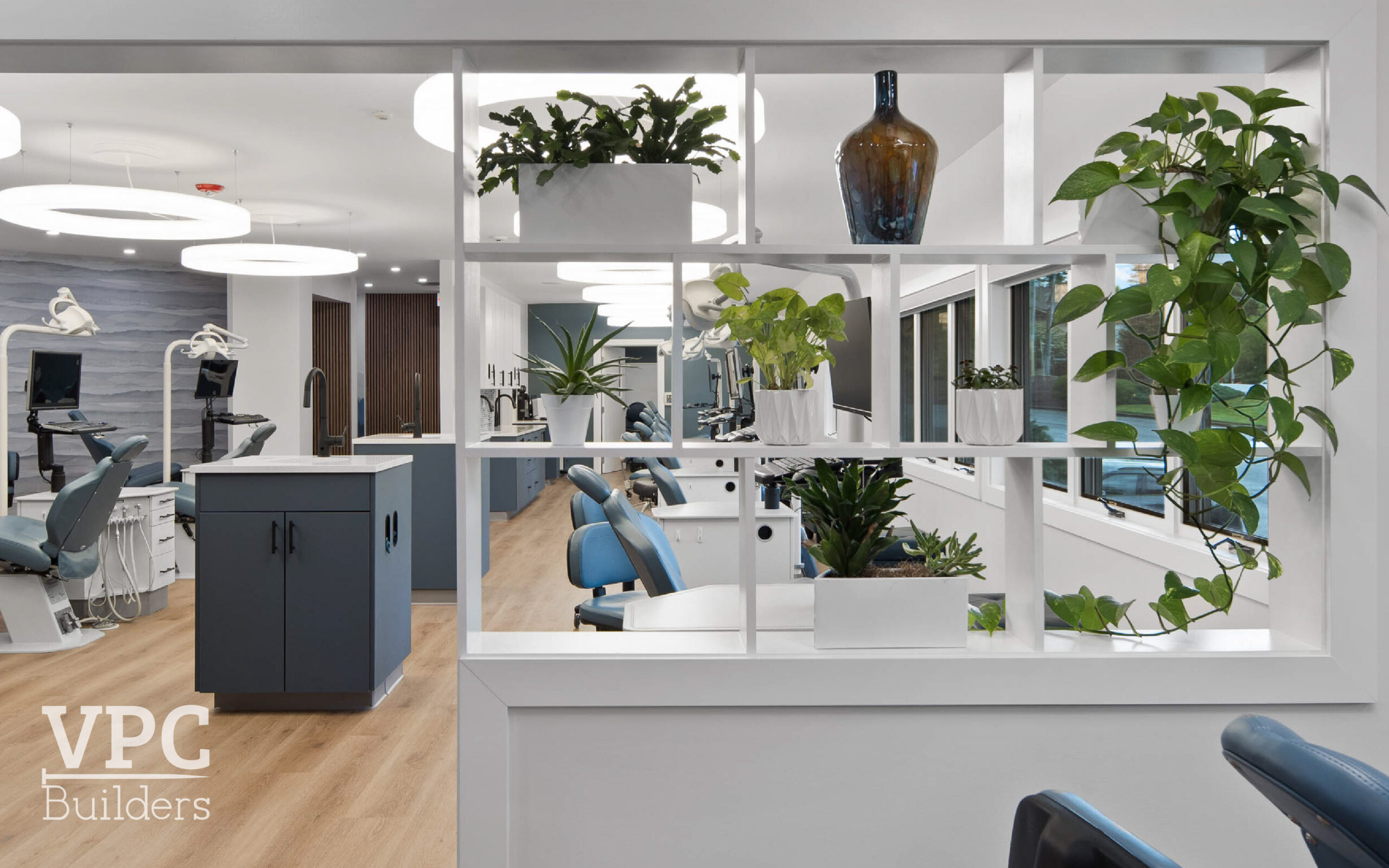
The era of remote working seems to be coming to a close. After several years of remote schedules, 54% of Fortune 100 companies have fully returned to the office. Hybrid schedules are still more common with smaller companies, but they are also requiring more in-office days on average, with the average workplace requiring their employees to be in the office three to four times a week. The return to the office has made one thing clear: the workplace experience matters more than ever.
As companies bring teams back into shared workspaces, expectations around office design have shifted. The focus is no longer just on where people sit or how many desks fit on a floor. Design now plays a direct role in how employees experience the workday and how effectively a space supports changing schedules and work styles.
Workplace wellness has become a practical design consideration tied to comfort, focus, and usability. Businesses want offices that feel supportive without being overdesigned and flexible without feeling temporary. These priorities are shaping a new set of commercial design trends that respond to how people actually use space today.
Let’s take a closer look at the design trends shaping healthier, more effective workplaces in the High Country and beyond.
Want to enhance the look and feel of your commercial space?
Book a workplace wellness consult→
Why Workplace Wellness is a Design Priority Right Now
Hybrid schedules and structured in-office days have changed how employees interact with their workplace. Many people are no longer in the office out of habit. They are there for collaboration, focus, and shared work that benefits from being in the same space.
Design influences how quickly people settle in, how easily they shift between tasks, and how comfortable they feel throughout the day. When spaces feel chaotic or mismatched to daily routines, stress builds quietly, and productivity suffers. Wellness-focused design looks at the full experience of the workday and supports consistency without forcing everyone to work the same way.
Commercial Design Trends Supporting Workplace Wellness
The commercial design trends we’re seeing most today place a strong focus on how people are supported throughout their workday. Rather than relying on surface-level aesthetic updates, the trends are more about comfort and long-term usability. These approaches are shaping workplaces that feel better to be in and function better over the long term:
Designing for Cognitive Load (Not Just Comfort)
Instead of focusing only on physical comfort, some offices are being designed to reduce mental fatigue.
Examples:
- Clear visual hierarchy so people aren’t overstimulated
- Simplified circulation paths to reduce decision fatigue
- Consistent material palettes that calm rather than compete
Why it matters: Employees returning to offices are already managing higher cognitive load from hybrid work. Spaces that feel visually organized help people settle in faster.
Intentional Friction Zones
Not every space should be frictionless.
The latest trend is designing specific areas where people slow down on purpose:
- Transitional zones between focused and collaborative areas
- Entry sequences that help people mentally shift into work mode
- Break areas placed slightly away from desks to encourage true disengagement
This supports better focus and reduces burnout by separating “on” and “off” modes within the office.
Designing for Partial Occupancy
Many offices are no longer full every day.
Emerging design approach:
- Spaces that feel comfortable at 40–70% occupancy
- Lighting, HVAC, and acoustics designed for variable use
- Furniture layouts that don’t feel empty or awkward when teams rotate in
This is a new trend because most offices were designed assuming full attendance. Wellness suffers when spaces feel oversized or hollow.
Privacy Without Isolation
Instead of open vs. closed offices, designers are creating layered privacy.
Examples:
- Semi-enclosed work zones without doors
- Visual screening without acoustic deadening
- Workspaces that allow presence without interruption
People want autonomy without feeling cut off. This design supports both focus and connection.
Designing for Emotional Neutrality
Some workplaces are moving away from high-energy branding in favor of emotionally neutral environments.
Examples:
- Softer contrasts
- Fewer bold graphics
- Materials that age quietly rather than loudly
This doesn’t mean boring. It means spaces that don’t demand attention all day long.
Designing for Wellness With Purpose
Designing for workplace wellness does not require a full teardown or dramatic renovation. In many cases, the most meaningful improvements come from paying close attention to how a space is used day to day. Adjustments to lighting, furniture layout, acoustics, and airflow can improve the space without adding a lot of unnecessary cost or complexity.
A thoughtful approach to wellness design can also support your broader business goals. Workplaces that feel comfortable and well-organized tend to encourage more consistent in-office attendance and support strong collaboration. They also leave a good impression on clients and partners. When spaces are designed to be flexible, they can adapt to changes without needing expensive updates down the road.
VPC Builders starts the process by listening. We work closely with business owners and stakeholders to understand how their teams operate and what they need from their space. By coordinating design and construction from the start, we create workplaces that feel modern and exciting now and will continue to perform well over time.
Creating Workplaces People Want to Return To
As companies navigate changing work models, office design plays a central role in shaping the experience of coming together again. Wellness-focused design helps spaces feel supportive and flexible rather than rigid and demanding. When thoughtful design choices are made early, commercial spaces become an asset that supports both the people working there and the business goals fueling growth.
If you are considering an update to an existing office space or planning a new commercial build, VPC Builders can guide the process to deliver the best possible results. Contact our team today to start a consultation on commercial design and construction.
FAQs about Workplace Wellness & Commercial Design
Q: What is workplace wellness in office design?
A: Workplace wellness focuses on how design supports comfort, focus, and health throughout the workday. This includes lighting, air quality, acoustics, layout, and material choices.
Q: Do wellness-focused offices cost more to build?
A: Not always, and often not in the long run. Many wellness improvements come from design decisions rather than expensive features. Planning early helps control costs and prioritize changes that deliver real value.
Q: Can older offices support modern wellness design trends?
A: Yes. Many existing spaces can be improved through targeted renovations such as lighting updates, layout changes, and ventilation upgrades.The era of remote working seems to be coming to a close. After several years of remote schedules, 54% of Fortune 100 companies have fully returned to the office. Hybrid schedules are still more common with smaller companies, but they are also requiring more in-office days on average, with the average workplace requiring their employees to be in the office three to four times a week. The return to the office has made one thing clear: the workplace experience matters more than ever.
As companies bring teams back into shared workspaces, expectations around office design have shifted. The focus is no ltes, layout changes, and ventilation upgrades.